Responsibility for managing residual emissions on the path to net zero
We are doing everything we can to reduce our CO₂ emissions to the greatest extent possible. For emissions that cannot be completely avoided at present (emissions that have not yet been reduced), we are building a portfolio of solutions that permanently remove CO₂ from the atmosphere and store it in the long-term (negative emissions). In addition to and independently of these solutions, we are making a voluntary contribution to global climate protection by investing in selected climate protection projects that help avoid or reduce emissions outside our value chain. These contributions are not factored into our net zero target.
Removing and storing CO₂ emissions from the atmosphere
In an effort to remove CO₂ emissions from the atmosphere that have not yet been reduced and store them in the future, we are building a portfolio for CO₂ removal and storage. Our measures:
Carbon storage in forests and wood
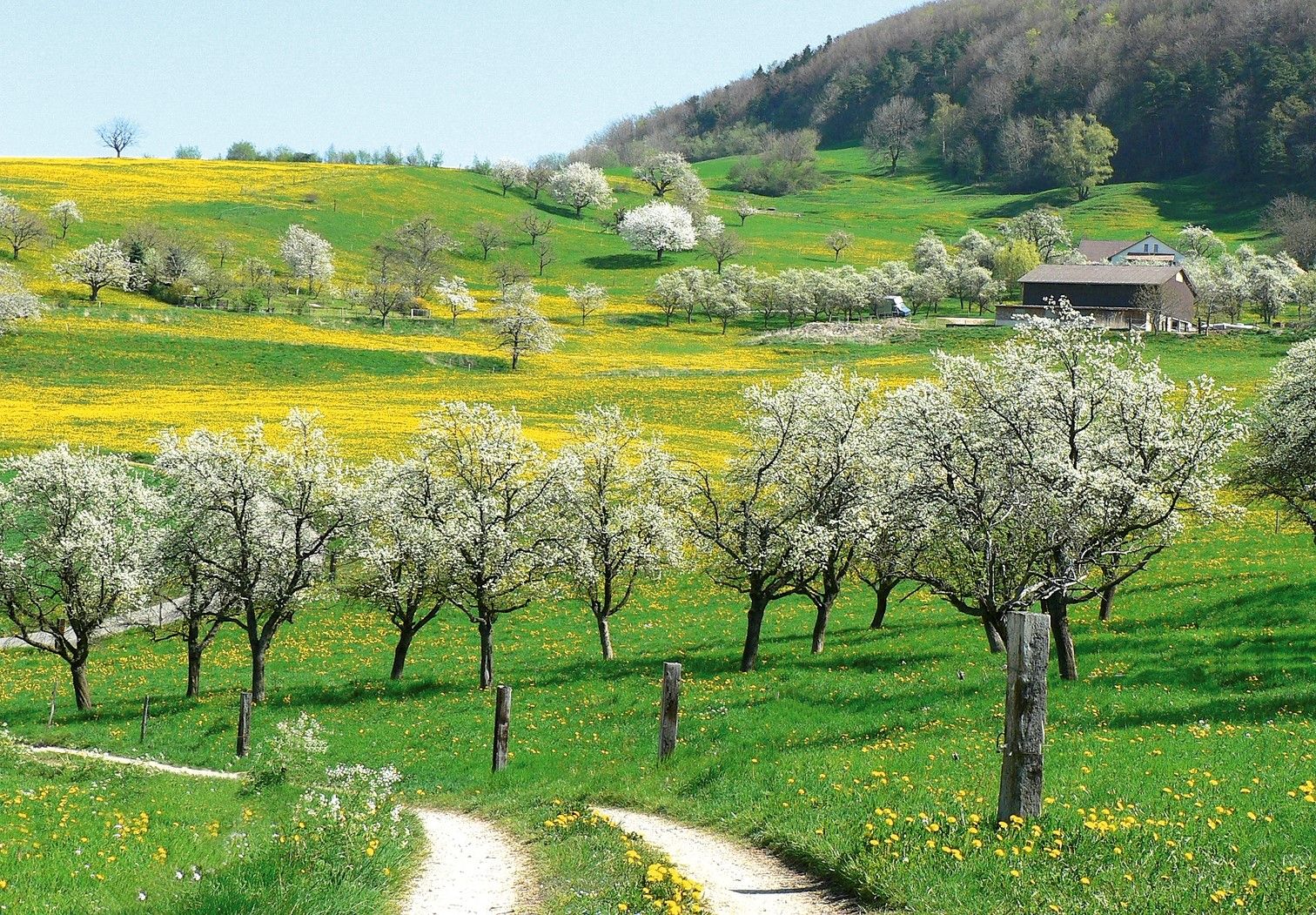
As trees grow, they absorb CO₂ from the atmosphere and store the carbon in the wood. This storage capacity can be increased through systematic forest management. For example by planting tree species adapted to the climate, encouraging their growth and fostering higher-quality wood. When wood is used for an extended period, for example for buildings, furniture, or later for biochar, the carbon stored in it is captured for longer. This is the logic – future-oriented forest management and long-term use of wood – that we apply to our forests in Zillbach, Germany.
Biochar production in Maienfeld
Biochar is produced from plant material and stores carbon in the long term. It is ideal for utilizing wood residues from forestry or waste wood and for storing the carbon they contain in the long term. We support a project for the production of EBC-certified biochar in Maienfeld, in the canton of Graubünden. EBC certification ensures that this production meets stringent standards.
International collaboration with a Norwegian producer of BECCS certificates
The BECCS method (bioenergy with carbon capture and storage) captures CO₂ from plant material at the point of origin – for example at a biogas plant. The captured CO₂ is taken to a storage location and stored deep underground. We support a BECCS pilot project in Norway. The project captures CO₂ produced during biogas production at a waste water treatment plant.
This project is a pilot Swiss-Norwegian initiative for the exchange of CDR certificates (also known as ITMOs). It promotes international cooperation between Switzerland and Norway and is supported by the Federal Office for the Environment (FOEN).
Supporting climate protection projects
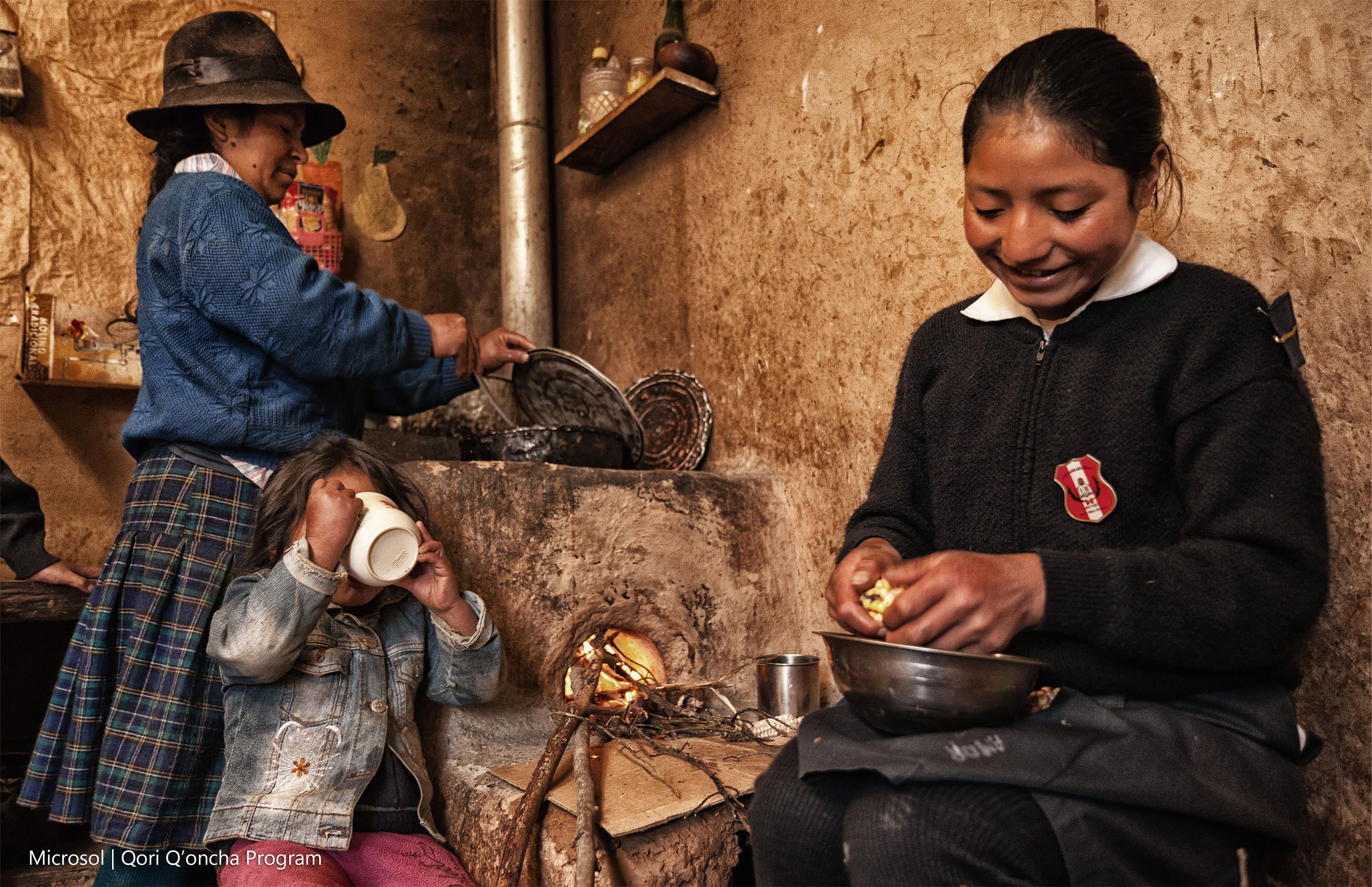
We also contribute to climate protection by supporting carefully selected projects. These projects are audited by an independent body using clear quality criteria (such as additionality or no double counting), allowing us to ensure that they are effective and credible. We also have the calculated offset volume and the number of certificates audited externally every year.