
History of Swiss Post
From a village postman to a modern logistics and communication partner: since 1849, Swiss Post has continuously evolved.
History
For more than a century, Swiss Post has connected people, places and ideas. What began in 1849 with the founding of the federal postal service is now a diverse company offering services in logistics, communication, mobility and digital solutions.
The history of Swiss Post shows how technology, society and needs have changed – and how Swiss Post has continuously adapted.
A journey through time: from 1849 to today
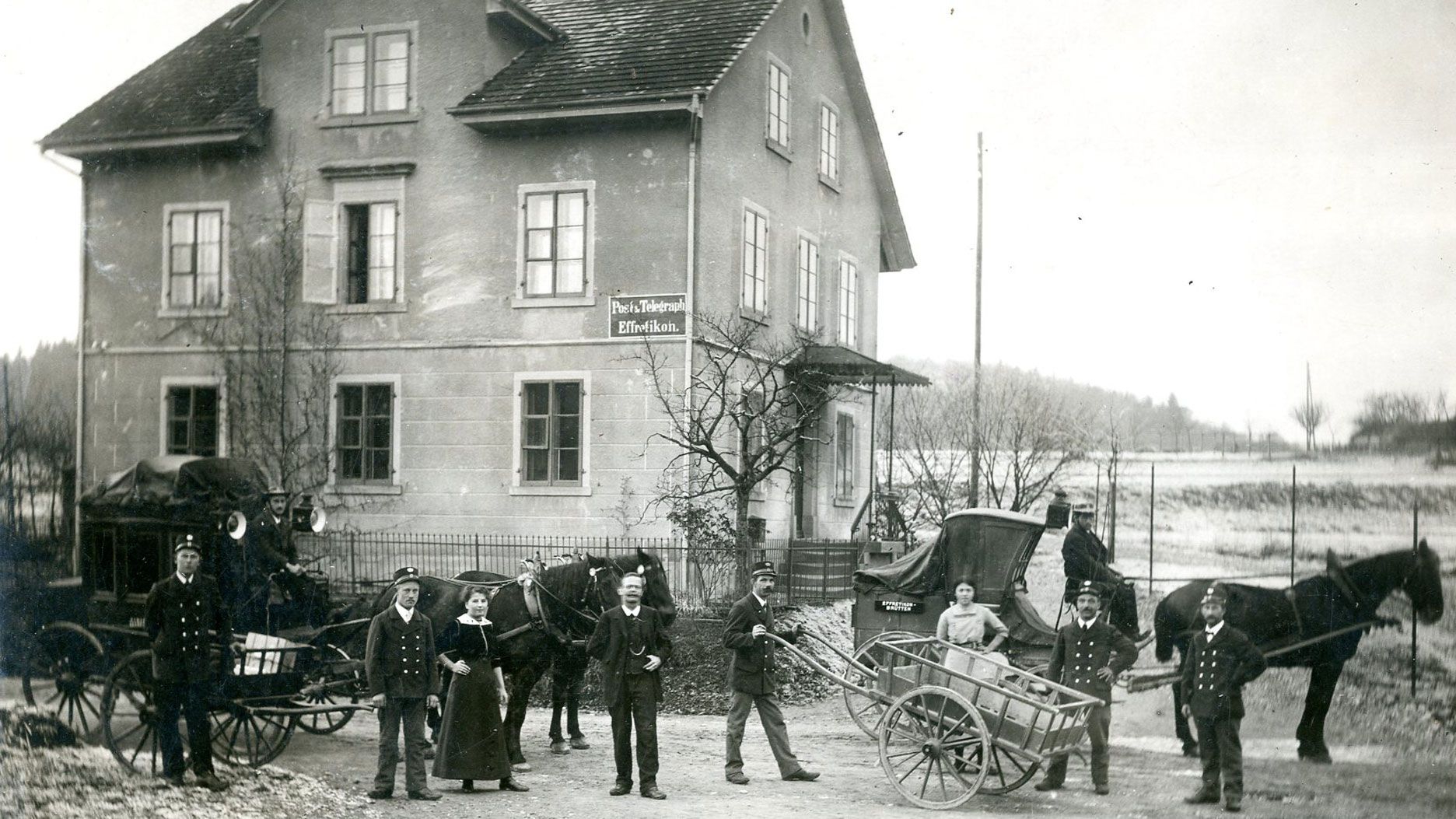
1849: Swiss Post: how it all began
The newly established federal state unifies – and improves – the postal system. The Swiss federal postal service replaces the cantonal postal administrations. From this point on, it is responsible for transporting letters, parcels, people and cash remittances.

1850: First postage stamps valid throughout Switzerland
While individual cantons have been issuing postage stamps since the 1840s, federal stamps now arrive on the market. They allow Swiss Post to collect postage from the sender, not the recipient.
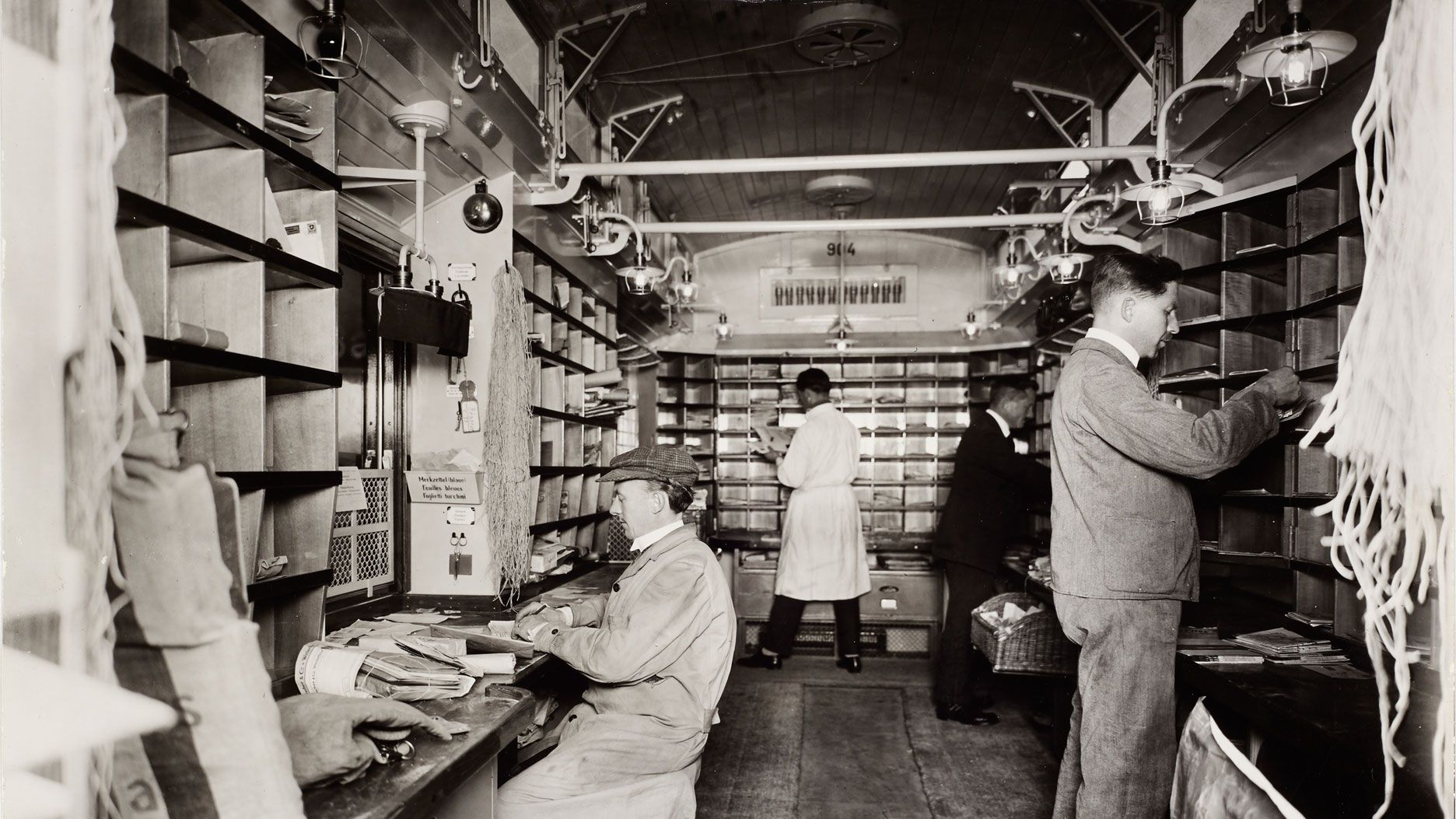
1857: The Railway Mail Service is introduced
From the 1850s, the backbone of postal transport is the Railway Mail Service. Mail is sorted en route in specially designated carriages. Before the introduction of postcodes, this work requires very good knowledge of geography and the PTT transport system.
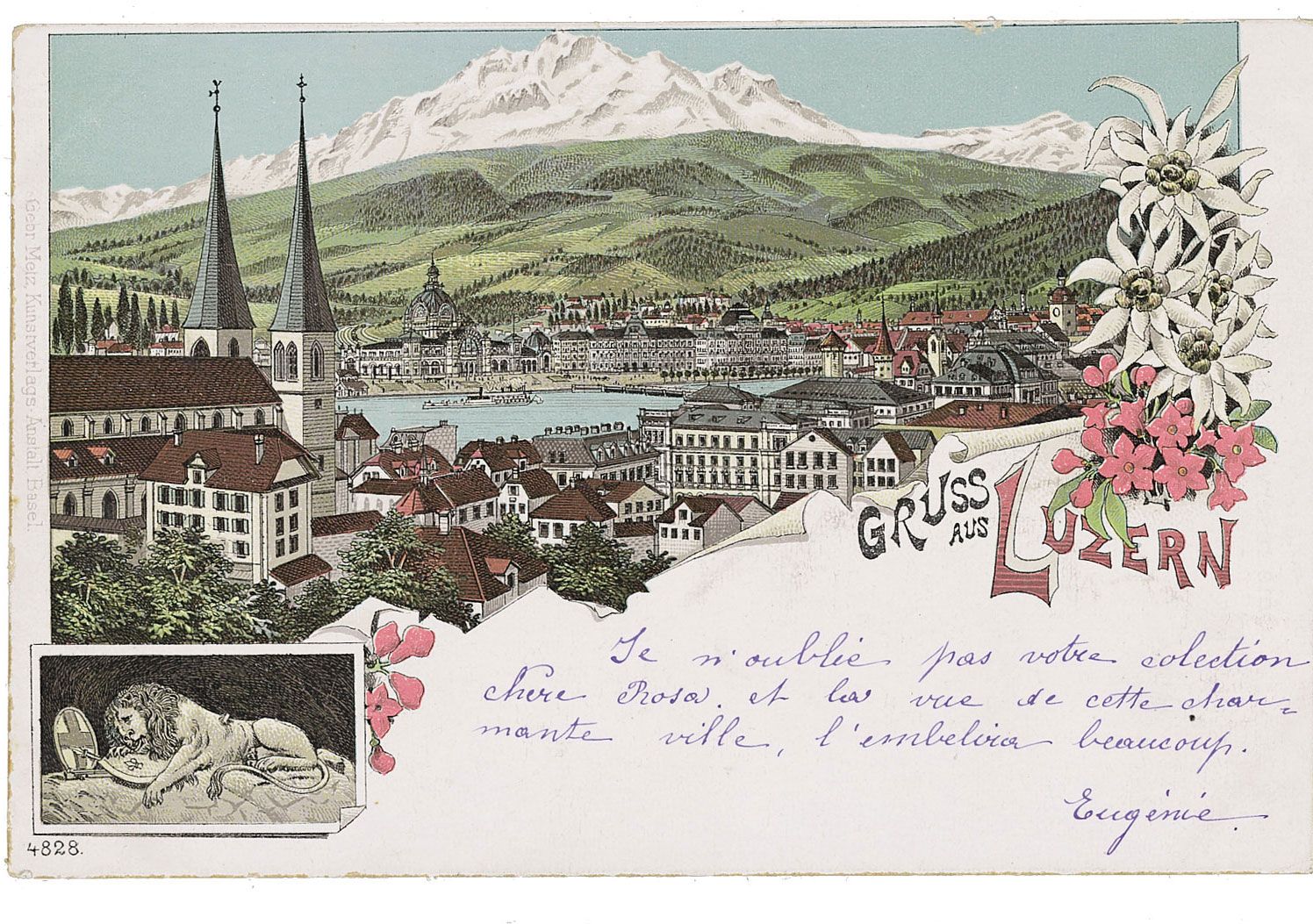
1870: “Greetings from…”
Switzerland is the fourth country in the world to introduce the postcard. The postage costs just half that of a letter. As tourism takes off, the following decades see a veritable boom in postcards.

1874: International postal traffic
The founding of the Universal Postal Union in Bern in 1874 is followed by the negotiation of a Universal Postal Convention. Switzerland is heavily involved in the founding. International postal traffic is transported by rail and ship. After the Second World War, the aeroplane becomes an important means of transport.
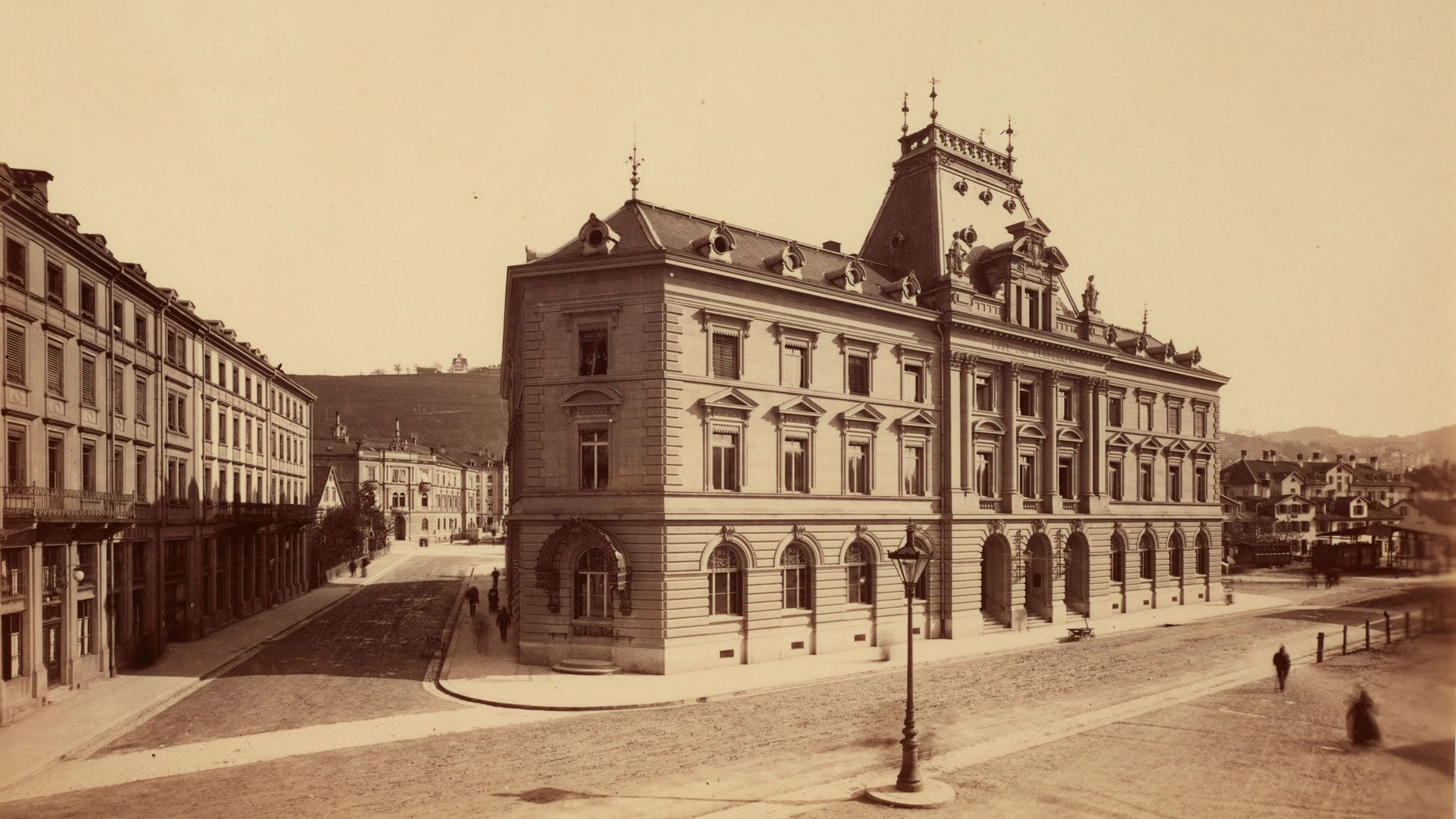
1880-1990: First Swiss Post building boom
Around 26 monumental Swiss Post buildings are built in cantonal capitals and other large towns. With both its large and small post office buildings, Swiss Post represents the new federal state in all regions of Switzerland.
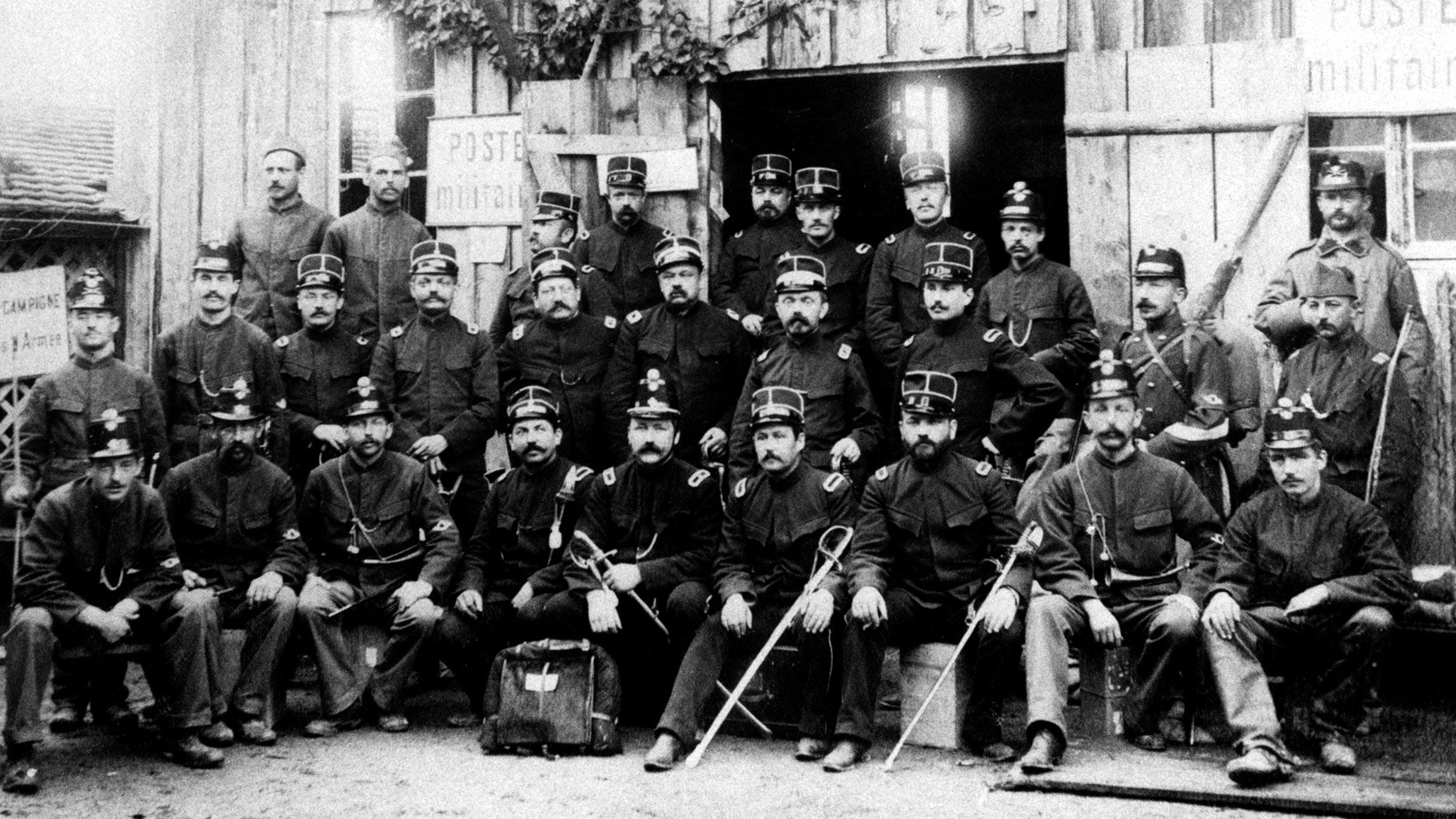
1889: Between civilian and military
Field post is established. Its basic mandate: to provide postal services for the army and its troops, serving as a bridge between civilian and military life.
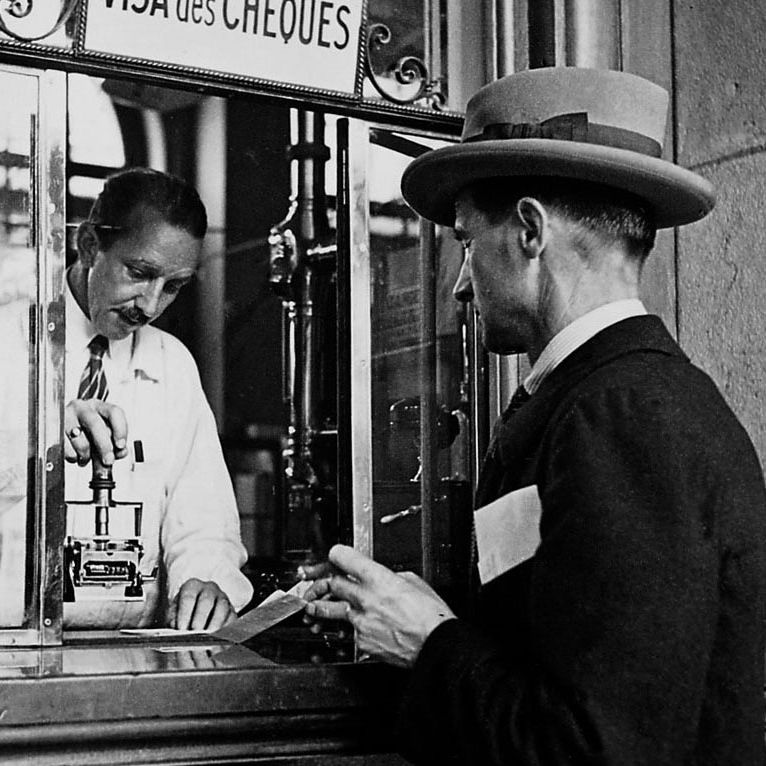
1906: Payment transactions via Swiss Post
Swiss Post is assigned a “Postcheque and giro service”. Thanks to its dense network of 4,000 operating locations, it offers ideal conditions for this. In principle, anyone can now open an account and make cashless transfers.
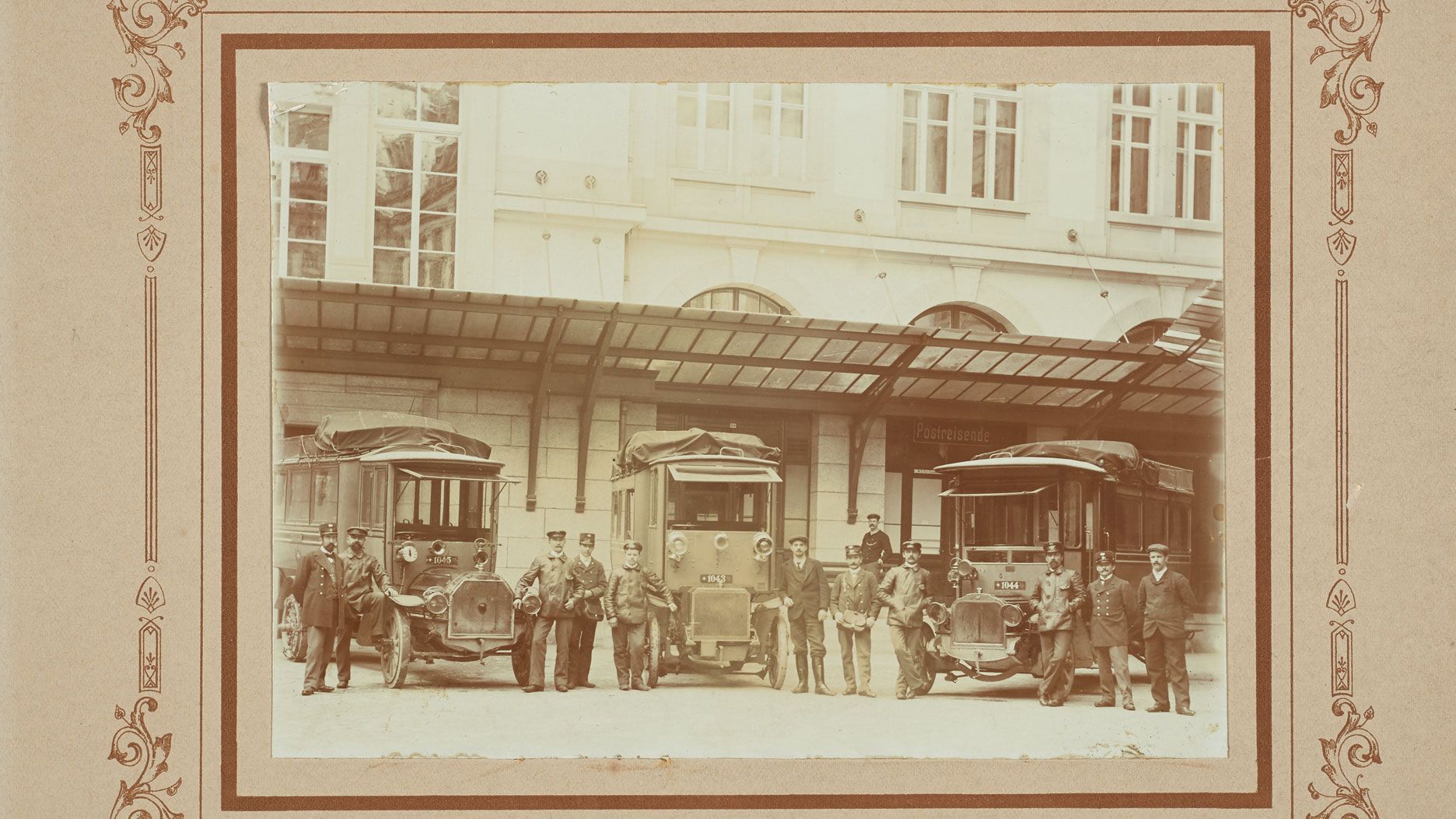
1906: Swiss Post in motion – the first Postbus
The first automobile mail route connects Bern with Detligen. The distinctive “toot-to-tooot”, however, is not heard until years later.

1914–1945: Swiss Post as intermediary during the world wars
Working with the Red Cross, Swiss Post carries several hundred million postage-free consignments from prisoners of war and internees. And after the mobilizations of 1914 and 1939, the volume of Swiss military mail skyrockets – postage-free field post accounts for up to 25 percent of domestic letters.
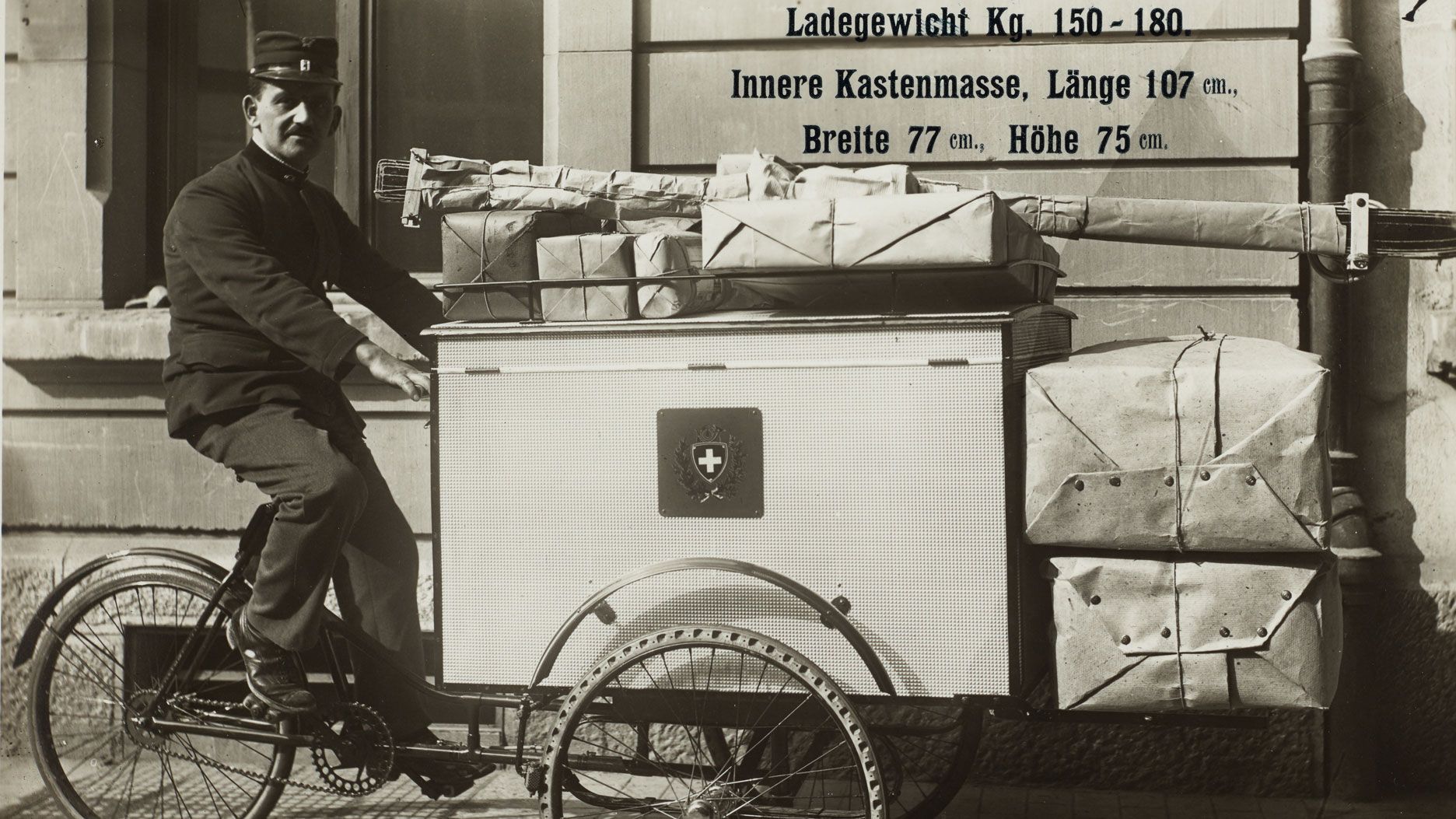
1920 à 1998: Postal, telephone and telegraphy services – the PTT
Together for over 70 years: in the 1920s, Swiss Post is merged with the telephone and telegraphy service to form the PTT. From 1998, the two halves of the service go their separate ways as Swiss Post and Swisscom Ltd.
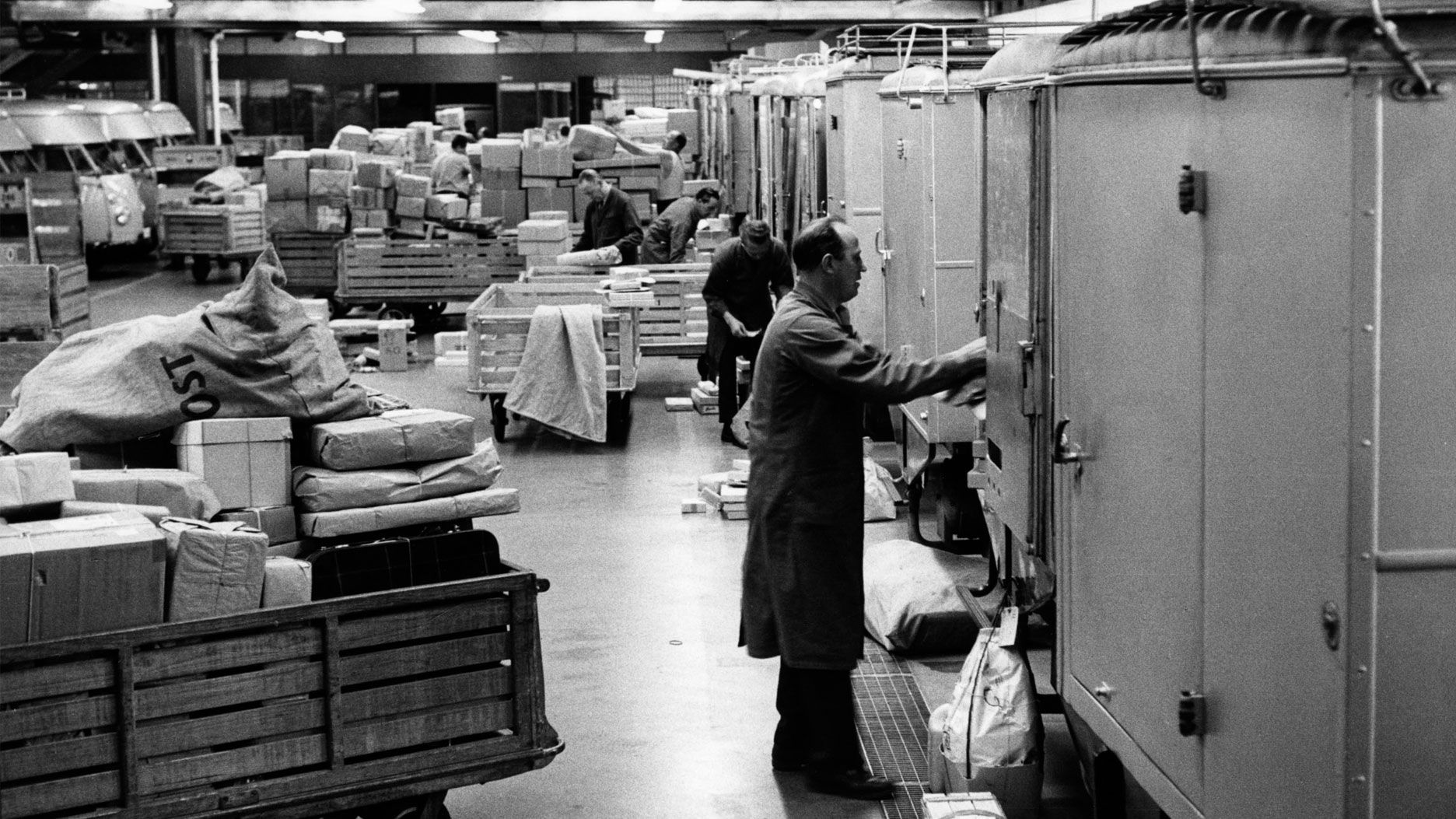
1927: Certificates and uniforms
Once Swiss Post, always Swiss Post: in the days of the PTT, most postal staff are civil servants and remain loyal to their employer until retirement. An important basis for this is the 1927 Swiss civil service code (Beamtengesetz (BtG)). All work processes are governed by detailed regulations. It is only in 1998 that civil servant status is rescinded.

1932: The PTT brand
Postal services and telegraphy/telephony are merged into a single brand, represented jointly by a square coat-of-arms logo. The Swiss Confederation officially allows the PTT to use the Swiss cross. “Swiss Post yellow” is not mandatory until 1939. Before then, it is used mainly on mail coaches and Postbuses.
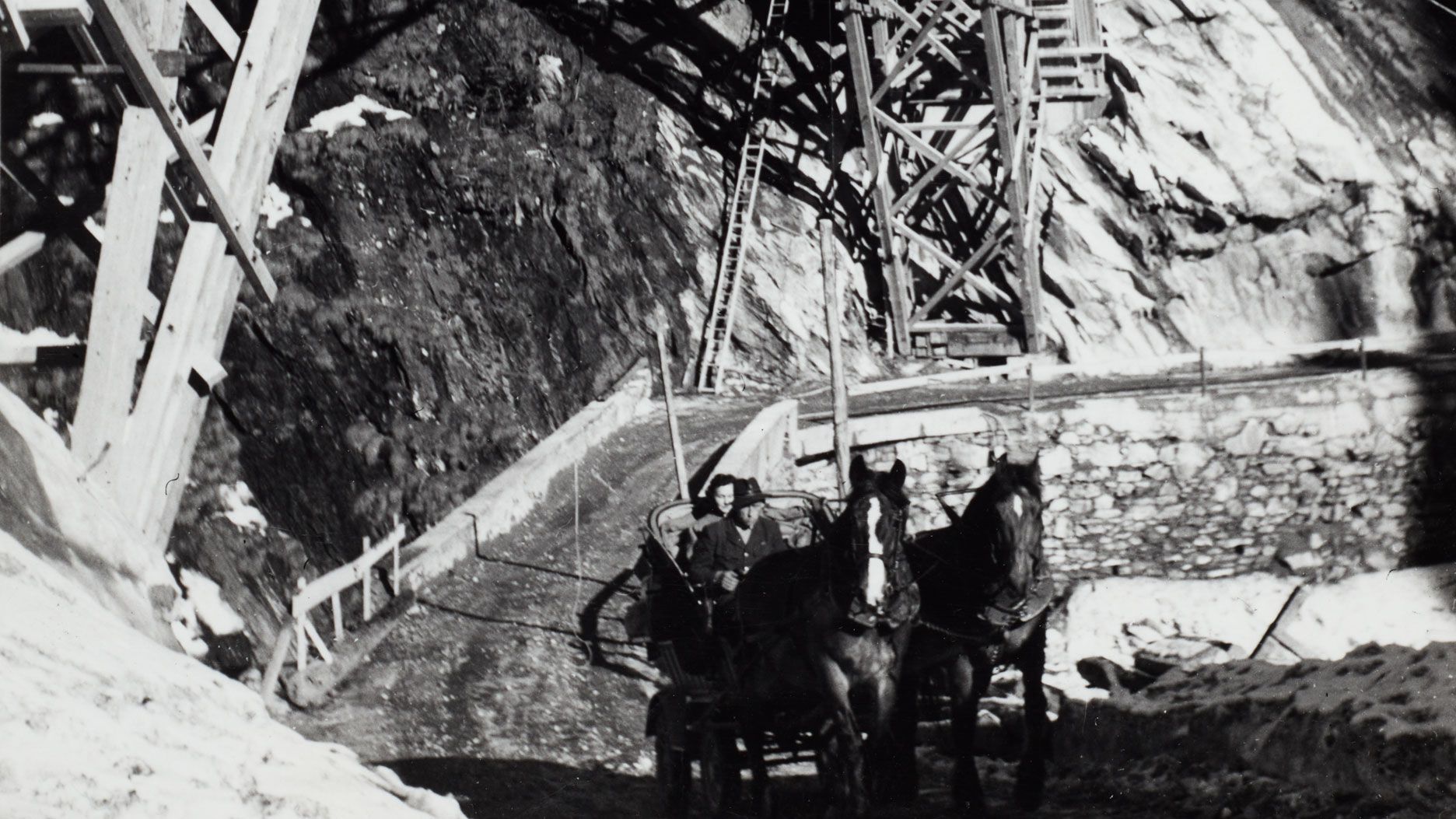
1961: Last horse coach service
The last horse coach service on the Avers–Juf route is discontinued. This is signification for the comprehensive rationalization of postal operations introduced in the 1960s.

1964: Introduction of postcodes
Postcodes are introduced on 1 October 1964, leading to a massive simplification of sorting. From this point on, in-depth geographical knowledge is no longer required. The postcode system forms the basis for the later introduction of automatic sorting.
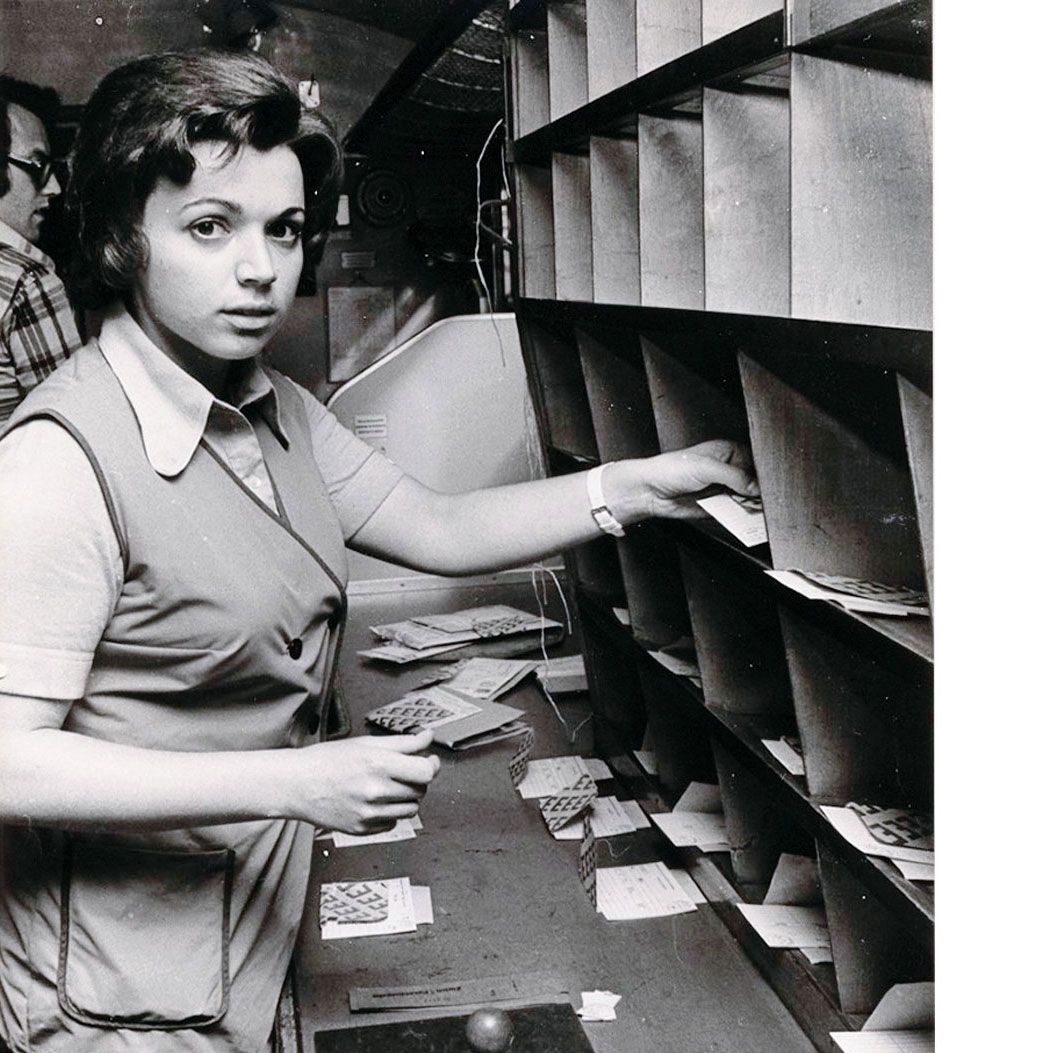
From 1972: Management careers become more accessible
A management career at Swiss Post is now also open to women. In 1974, the first women start work at the male-dominated Railway Mail Service, which is seen as the PTT’s training ground for new managers.
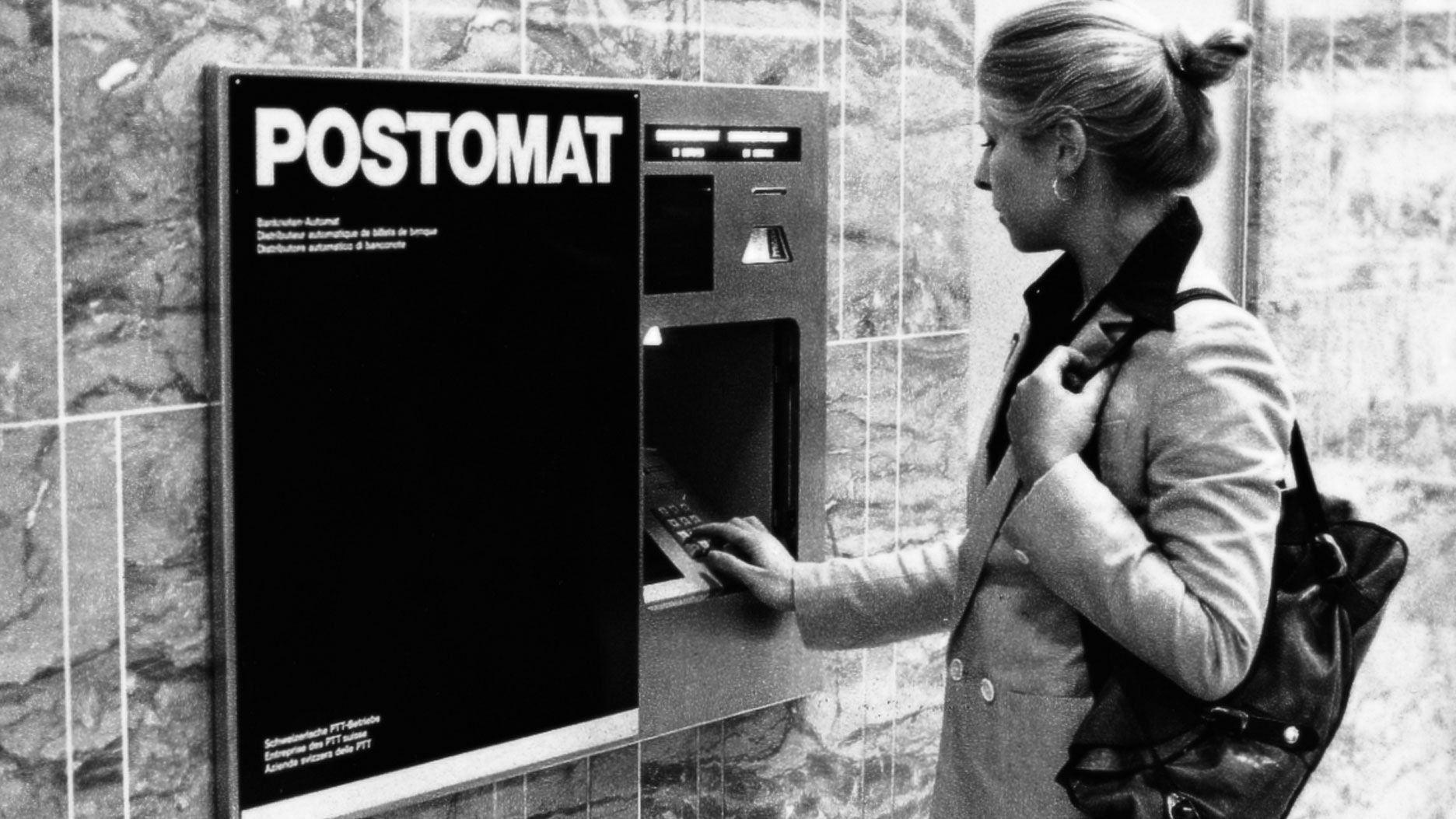
1978: Easy cash withdrawals at Postomats
The first Postomat comes into service at the Bern Schanzenpost post office.

1991: Introduction of A and B Mail
Two speeds, two prices: the customer can decide. An A Mail letter initially costs 80 centimes and is processed within one day, while a B Mail letter costs 50 centimes and is delivered within two to four days.

1997: The Fraumünster post office robbery
September 1997, Fraumünster post office in Zurich: five young men drive a delivery van into the post office courtyard and steal 53 million francs in just four minutes.
Zurich, 1 September 1997, 10:30 a.m.: in the courtyard of Fraumünster post office, more than 70 million francs sit ready for transport to the National Bank. Five young men know this, having been told by another accomplice, a temporary employee of Swiss Post. They drive to Fraumünster post office in a stolen delivery van, which is disguised as a Telecom service van. Within four minutes, the robbers steal 53 million francs, loading the boxes full of money into their vehicle – because the boot is too small, they have to leave two boxes behind. Their haul is bigger than that managed by legendary train robber Ronald “Ronnie” Biggs in 1963. The Fraumünster robbery goes down as the “post office robbery of the century”.
The major manhunt started immediately afterwards initially yields no results. However, it later becomes clear that the robbers have been somewhat amateurish and have left various clues. One by one, they are all caught, the last in Miami in 1998. All have confessed and are serving prison sentences of around five years.
As a result, Swiss Post strengthens and professionalizes its security management, for example by outsourcing high-risk transports.
In 2020, Swiss broadcaster SRF recounts the tale in a fictional documentary and podcast, in which the ringleader also tells his side of the story:
Doku-Drama: «Es geschah am… Der Postraub des Jahrhunderts»
Sources:
Das grosse Ding - SWI swissinfo.ch
Walter Knobel, Schweizerische Post (Hg.): Gelb bewegt. Die Schweizerische Post ab 1960, Bern 2011.

1998: The end of the PTT
The PTT is dissolved and split up into Swiss Post and Swisscom Ltd, marking the end of more than 70 years of shared history.

1998: Introduction of yellownet (e-finance)
Swiss Post harnesses the opportunities afforded by increasing digitization – whether for its internal work processes or for new services. In 1998, PostFinance launches “yellownet”, making it one of the pioneers of electronic asset management.
The history of digitization begins in the 1930s and 1940s, when the binary system consisting of ones and zeros is invented. This forms the basis for the first computers. The PTT is open to the new technology, which promises higher productivity: from 1957 on, the PTT uses the first commercially available computer in Switzerland. In 1967, it brings an electronic data center on stream in Ostermundigen in the Canton of Bern – the biggest and most powerful data center operated by a public company at that time. In the early 1980s, the regional postal directorate initiates the use of electronic data processing. The number of computers in use grows steadily, including in operations. The locations become increasingly connected by networks.
Postal transactions anytime and anywhere
Swiss Post also harnesses technological options to develop new services. This includes the field of payment transactions: in 1988, it introduces the Postomat Plus Card, Switzerland’s first debit card with an integrated chip, which can be used for cashless payments in many shops. Ten years later, with the introduction of “yellownet”, PostFinance is one of the pioneers of electronic asset management (e-finance). In 2010, PostFinance is the first financial institution to launch a free app with a payment function for the iPhone. In 2014, it launches TWINT, Switzerland’s first integrated payment and shopping app. And since 2019, it has been operating Valuu, the first fully digital mortgage platform.
In its other business units, Swiss Post also develops a growing number of digital services in the 2010s, making it possible to track consignments in real time or to manage their receipt. Parcels can be dropped off or collected at My Post 24 terminals around the clock. And anyone who doesn’t have a stamp to hand can have one delivered via SMS code. The new digital services meet the needs of many customers looking to carry out their postal transactions wherever and whenever it suits them.
Mail secrecy in the digital world
Swiss Post wants to guarantee the principle of mail secrecy in the digital world, too. As a trustworthy carrier of sensitive information, it develops digital solutions for companies, public authorities and citizens. One example of this is the electronic patient record, a platform that connects patients with healthcare professionals and institutions.
Sources:
History of PostFinance: https://www.postfinance.ch/en/about-us/company/history.html
Walter Knobel, Swiss Post (ed.): Gelb bewegt. Die Schweizerische Post ab 1960, Bern 2011.
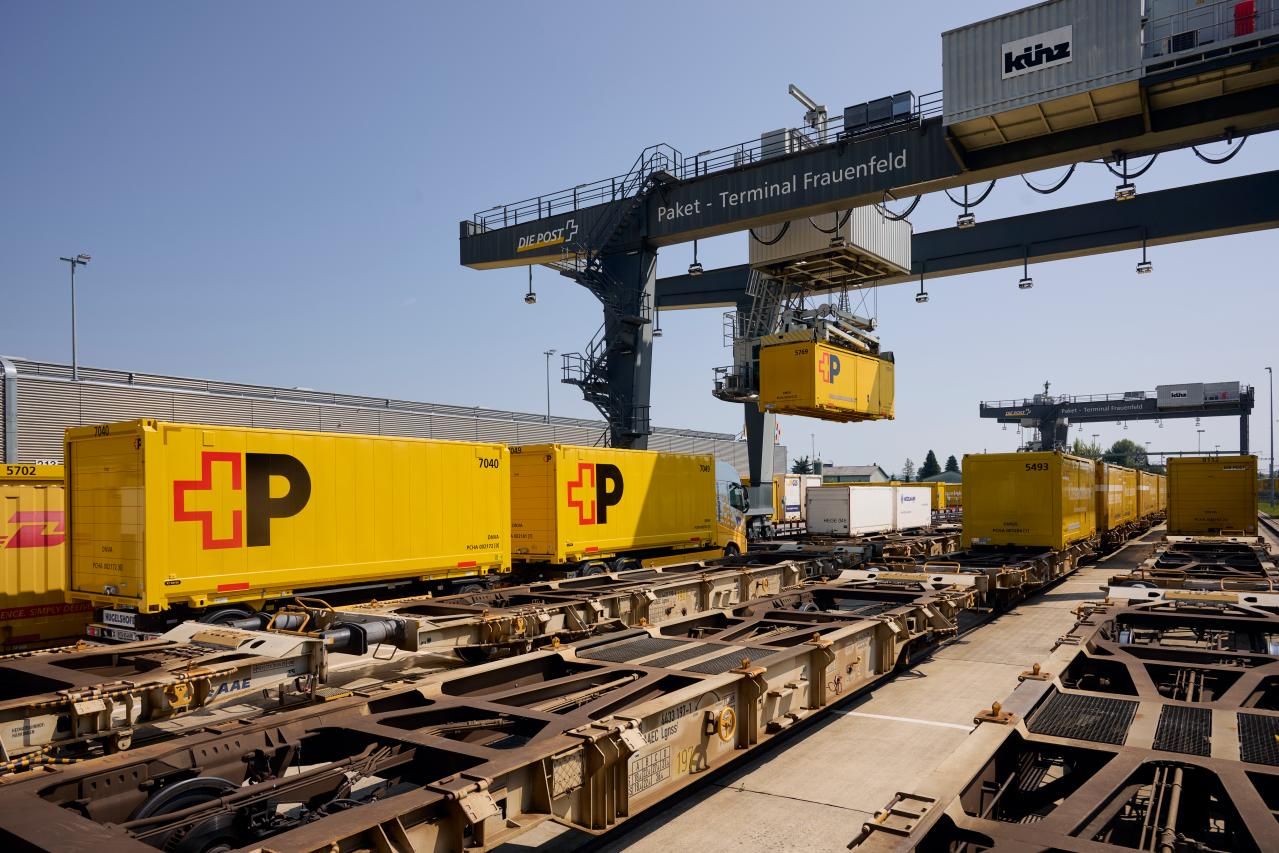
1999: Three large parcel centers
Swiss Post brings the parcel centers of Härkingen (SO), Daillens (VD) and Frauenfeld (TG) into operation. It is a once-in-a-lifetime logistics event for Switzerland. Swiss Post had invested 450 million francs in state-of-the-art technology and an expandable infrastructure. For the first time, parcels can now be sorted automatically down to the parcel carriers’ individual delivery rounds – revolutionary for the time.
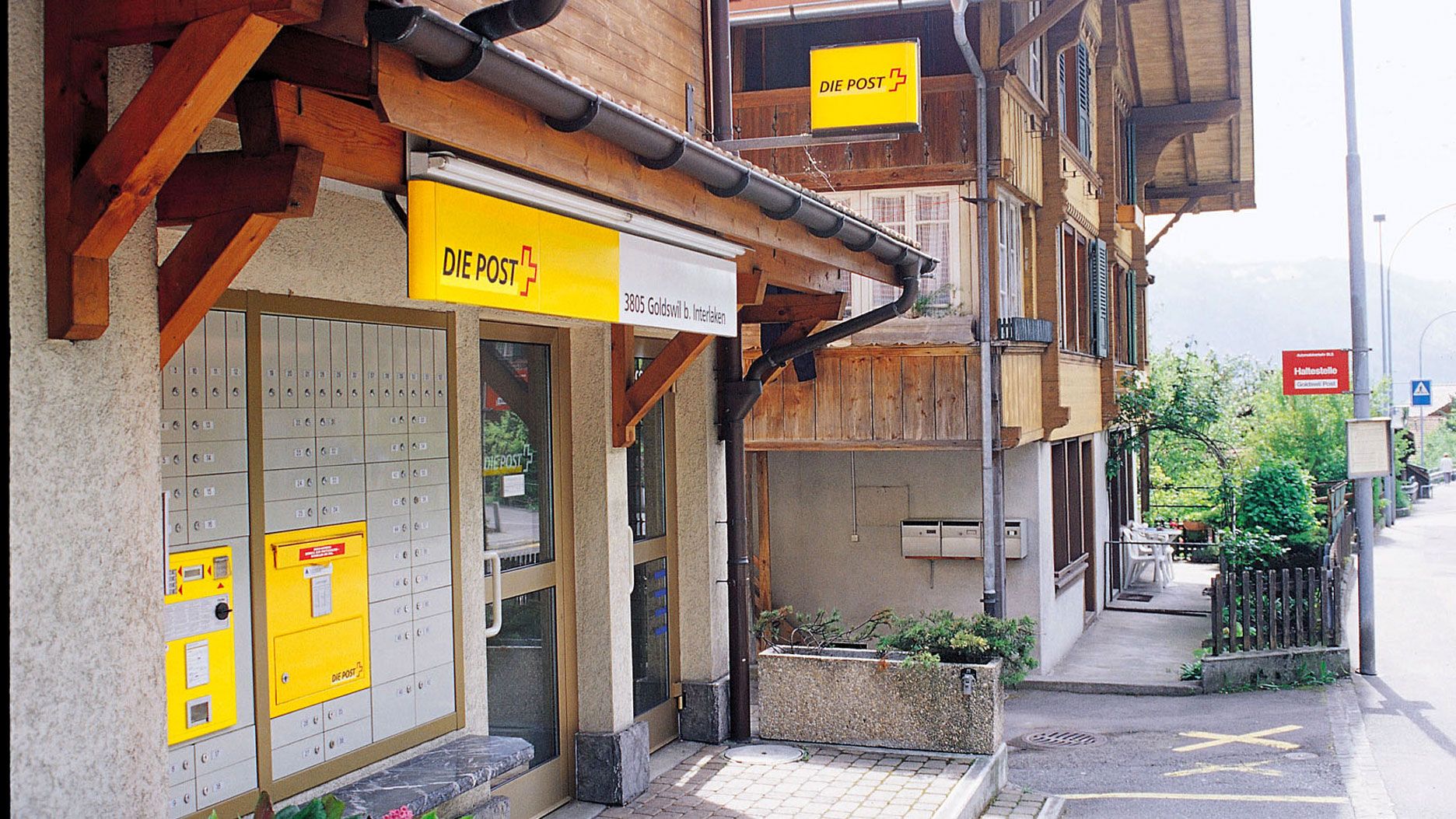
2001: Restructuring of Swiss Post’s branch network
Customers’ habits are changing: fewer and fewer letters and parcels are being dropped off at post offices, and the number of over-the-counter inpayments is falling. A reduction from 3,500 to 2,500 post offices is planned.

2002: CEC for Swiss Post staff
After almost two years of intensive negotiations between Swiss Post and its social partners, the Swiss Post collective employment contract (CEC) is signed and implemented on 1 January 2002. Prior to this, employment conditions for Swiss Post staff had been governed by the Swiss civil service code (Beamtengesetz (BtG)).

2004: Deregulation of the parcel and letter market
On 1 January 2004, the parcel market in Switzerland is deregulated. In 2006, the monopoly protection for letters weighing over 100 grams is removed. Three years later, monopoly protection is further reduced so that it applies only to letters of up to 50 grams.

2009: Three large letter centers
The Härkingen letter center starts operations, following the letter centers in Zurich-Mülligen and Eclépens. This marks the completion of the largest project in Swiss Post’s history. All aspects of letter processing have been redesigned.

2012: On the way to climate neutrality
From 2012, Swiss Post offsets carbon emissions from domestic letter mail. And from the beginning of 2017, all of its approximately 6,000 two- and three-wheeled delivery vehicles are battery-powered. Efforts to reduce environmental pollution, particularly in the mobility sector, date back to the 1990s.

2013: Swiss Post is owned by Switzerland
The PTT as a state-owned company – that used to be the case. This federal administrative unit was dissolved in 1998. This resulted in Swiss Post, an independent institution under public law that became a company limited by shares subject to a special statutory regime in 2013. The Confederation is 100% the owner.

2013: Electronic patient record (EPR)
As a pioneer, Swiss Post is launching Switzerland’s first electronic patient record (EPR) in the Canton of Geneva. In 2015, the Federal Assembly decided to introduce the electronic patient record throughout Switzerland. Swiss Post is setting up its E-Health platform and the first EPRs will be opened in 2020.

2013: Send and receive parcels securely around the clock
Swiss Post is continually developing its access points. With My Post 24, it provides terminals where customers can send and receive parcels and registered letters securely around the clock, regardless of counter opening hours. Since 2022, Swiss Post has been installing My Post 24 terminals not only in centers, but also in residential areas. These can be operated with the Post-App.

Since 2017: clean delivery vehicles
Since the beginning of 2017, all of the roughly 6,000 three-wheeled delivery vehicles have been battery-powered. The first efforts to reduce environmental pollution, particularly in the field of mobility, began in the 1990s.
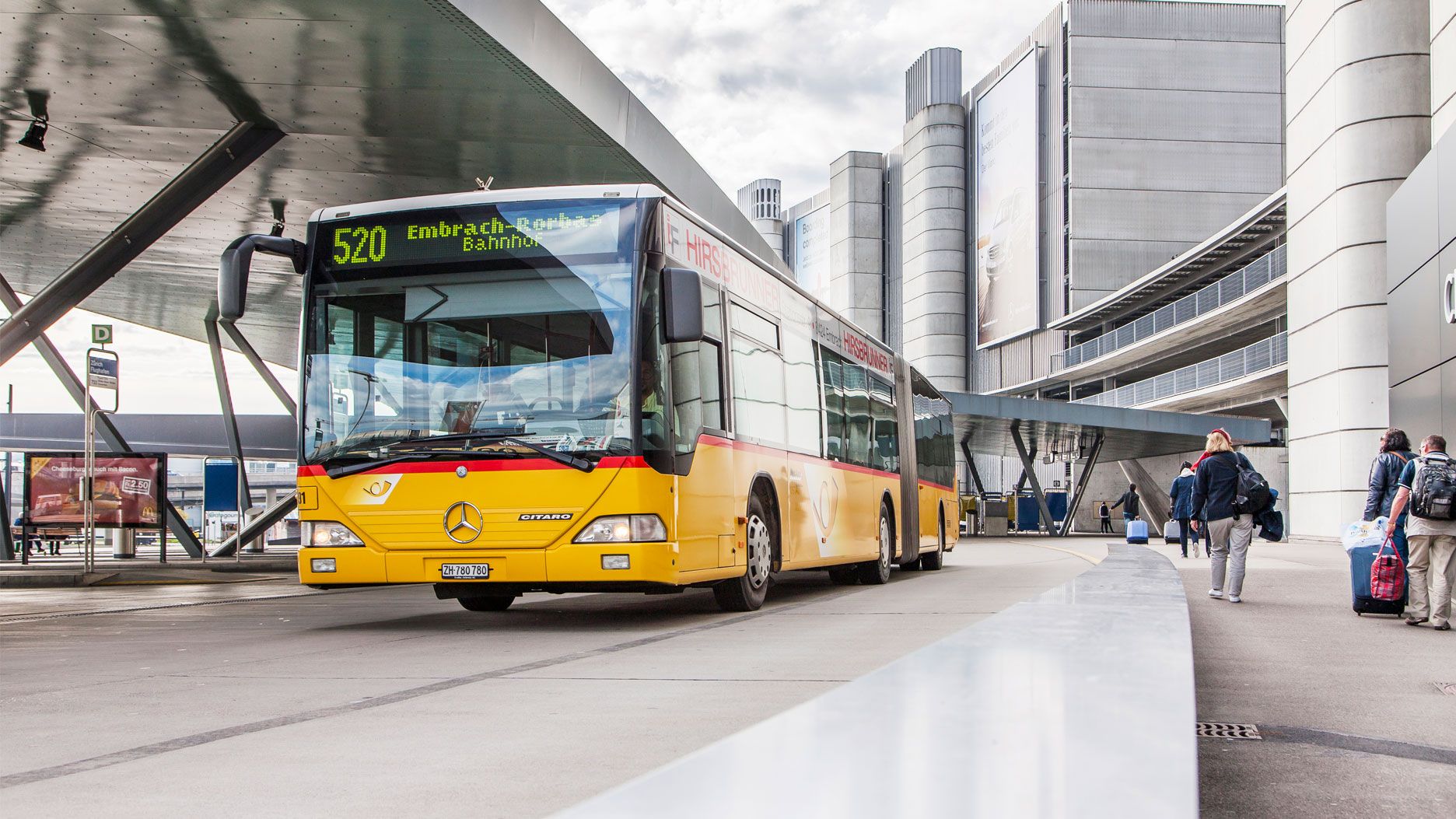
2018: The PostBus subsidy affair
PostBus Switzerland Ltd hits the headlines as it emerges that its accounting practices between 2007 and 2018 did not comply with subsidy law. PostBus reimburses the injured parties – the Confederation, cantons, municipalities – for the amounts lost, in full and with interest. In addition, PostBus makes voluntary repayments for illegitimately received subsidies that have already lapsed under law. This represents a major step for Swiss Post in rectifying the matter and is a fundamental requirement for a fresh start.

2020: Swiss Post during the coronavirus crisis
As a result of the lockdowns during the COVID-19 pandemic, and in particular due to the steep rise in online retail, Swiss Post delivers more parcels than ever before: 182.7 million – an all-time record.

2020: Mail secrecy in the digital world
Swiss Post is setting up a highly specialized cryptography team at its IT location in Neuchâtel. For example, it is developing Swiss Post’s secure e-voting system in-house.

2023: New Swiss Post logo
A dynamic Switzerland needs an equally dynamic postal service. To make this ambition for the future more visible than ever before, Swiss Post modernizes its logo In future, Swiss Post will use just one logo throughout Switzerland. As a result, the logo will be a unifying element across the different language regions. The logo symbolizes Swiss Post’s commitment to both tradition and innovation. It is the expression of an evolving, future-oriented Swiss Post.

2023: Use of e-voting
Swiss Post has developed an e-voting system in Switzerland and for Switzerland. To find security vulnerabilities, it has also been tested by specialists and ethical hackers from all over the world. In March 2023, the Federal Council approved the use of the system for votes in the Cantons of Basel-Stadt, St. Gallen and Thurgau. The system is operated in Switzerland at Swiss Post’s data centers.

2023: Three new logistics centers
Swiss Post must always structure its processing capacity in such a way that it can react to fluctuations in parcel volumes. In 2023, it opened three new regional parcel centers: in Pratteln (BL), Wallisellen and Härkingen. More will follow by 2030. In this way, Swiss Post is creating jobs throughout Switzerland. And the parcels are sorted where they are posted.

2024: 175 years of Swiss Post
Swiss Post has been creating connections since 1849: between mountain and valley, between village and city, between the language regions, young and old, work and free time.

2025: Logistics partner for the healthcare sector
Swiss Post is opening a temperature-controlled logistics center in Villmergen (Canton of Aargau) that is specially designed to store medical and pharmaceutical products, making the work of hospitals, medical practices and outpatient clinics easier.